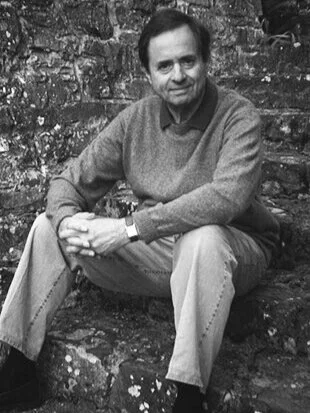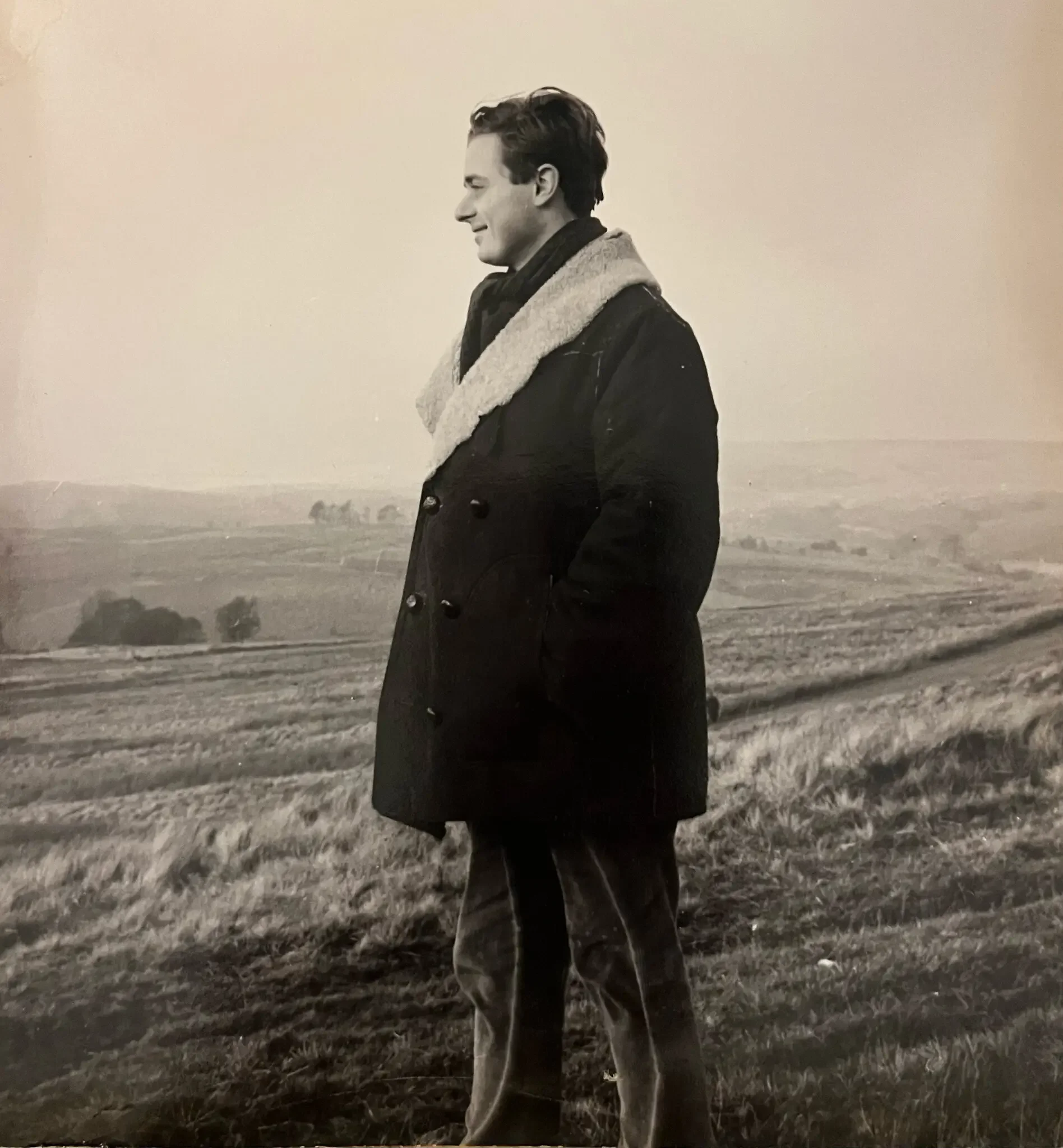
David Pryce-Jones (1936–2025) was born at the Meidling Schloss in Vienna, a city then teetering on the edge of the Anschluss. The son of the long-serving editor of the Times Literary Supplement, Alan Pryce-Jones, and Thérèse “Poppy” Fould-Springer, David’s early years were soon upended by the march of history. In 1940, at age four, he was hurried by his nanny through a collapsing France and across the Moroccan sands to escape the German advance—a harrowing flight that instilled in him a bone-deep, lifelong suspicion of tyranny.
After the standard cursus honorum of Eton, Oxford, and a stint in the Coldstream Guards, Pryce-Jones took up the pen as a “man of letters,” a vocation that saw him roving from the battlefields of the Middle East to the editorial desks of The Spectator and National Review. He was a writer of rare versatility, as comfortable deconstructing the cultural traditions of the Arab world as he was sketching the literary giants of his age.
He remains perhaps best known for Unity Mitford: A Quest (1976), a work of “detective” scholarship that did the unforgivable: it told the truth about the English upper classes. By exposing the pathological pro-Nazism of Unity Mitford, Pryce-Jones attracted a flurry of vitriol from her surviving sisters, who viewed his meticulous accuracy as a “treason to his class.” Unshaken, he continued to wage war with his pen against intellectual fellow-travelers and the “desperate lengths people will go to defend their social position,” guided always by an unerring moral compass.
A man of immense culture who “drank life to the lees,” he leaves behind his wife of sixty-six years, Clarissa Caccia, three children nine grandchildren and three great-grandchildren. He died in London on November 17, 2025, having spent eighty-nine years noticing exactly those things that others preferred to ignore.